The promotional products market is becoming increasingly homogeneous. Products are available faster, production processes are more efficient, and pricing structures more transparent. Digital platforms and international supply chains are making offerings look more and more alike. In this environment, differentiation becomes more difficult – and at the same time more important than ever.
What remains when products appear interchangeable? Attitude.
Attitude does not reveal itself in bold promises, but in consistent decisions. In the selection of materials and production facilities. In choosing which partners to collaborate with long-term. In the willingness to create transparency around supply chains and standards. And ultimately, in the conscious decision not to offer certain products because they do not align with one’s own understanding of quality or sustainability.
Especially in the promotional products sector, this consistency is crucial. Promotional items are visible brand ambassadors. They are distributed, worn, used – or not. They represent a company’s self-image. When brand ambition and product quality do not align, the discrepancy is immediately noticeable.
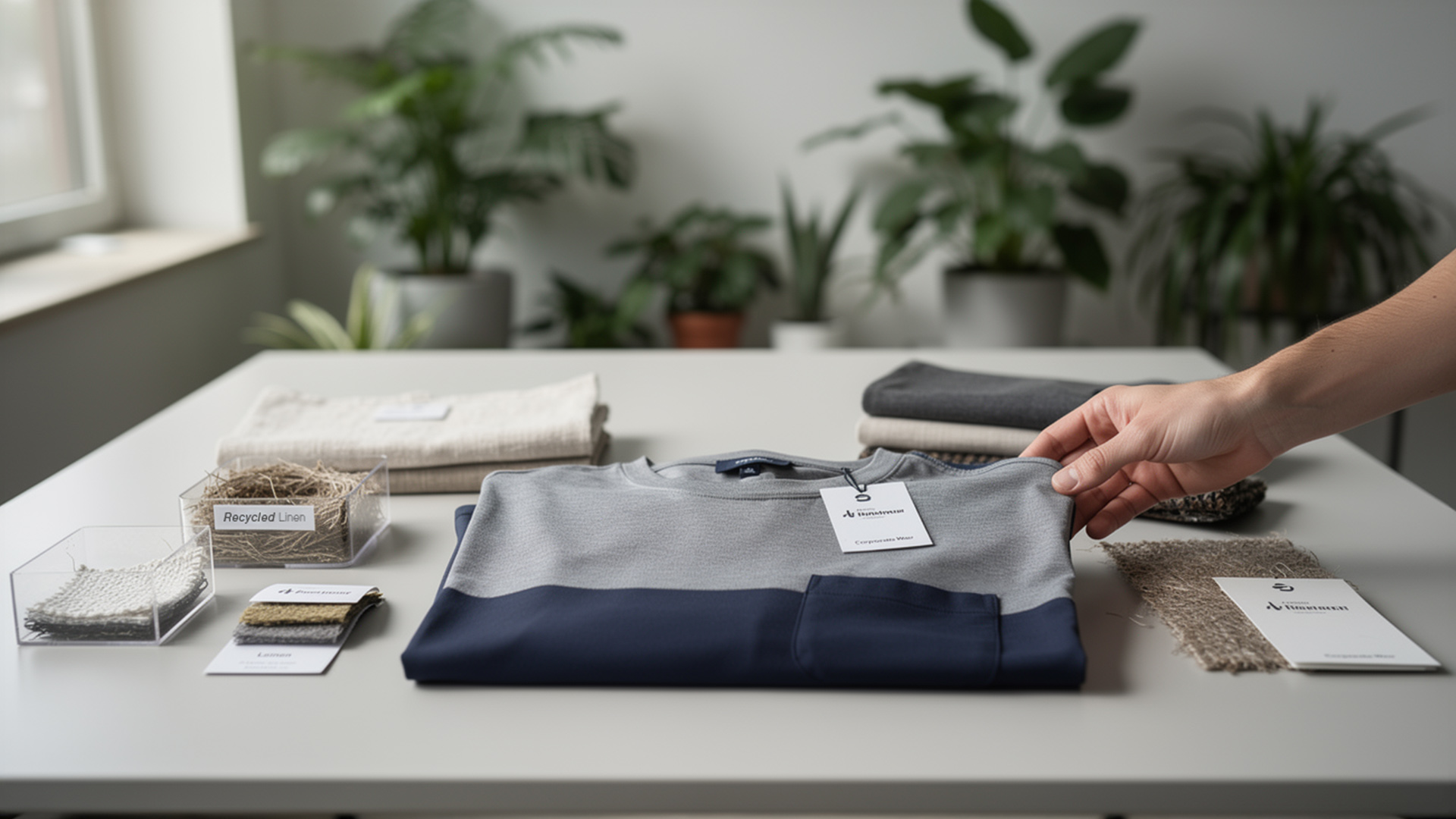
For brands, this means promotional products must not be viewed in isolation. They are part of brand leadership. Companies that approach promotional merchandise strategically understand it as an expression of their positioning. Materiality, design, and durability become carriers of values – not merely cost factors. The promotional products market is therefore evolving from a pure distribution environment into a reflection of corporate attitude. In an industry that is increasingly comparable, differentiation is achieved less through the “what” and more through the “how.” Attitude becomes a strategic factor – not loud, not promotional, but consistent. And that is precisely where its sustainable impact lies.